How To Calculate the Laundry Capacity a Hotel Actually Needs
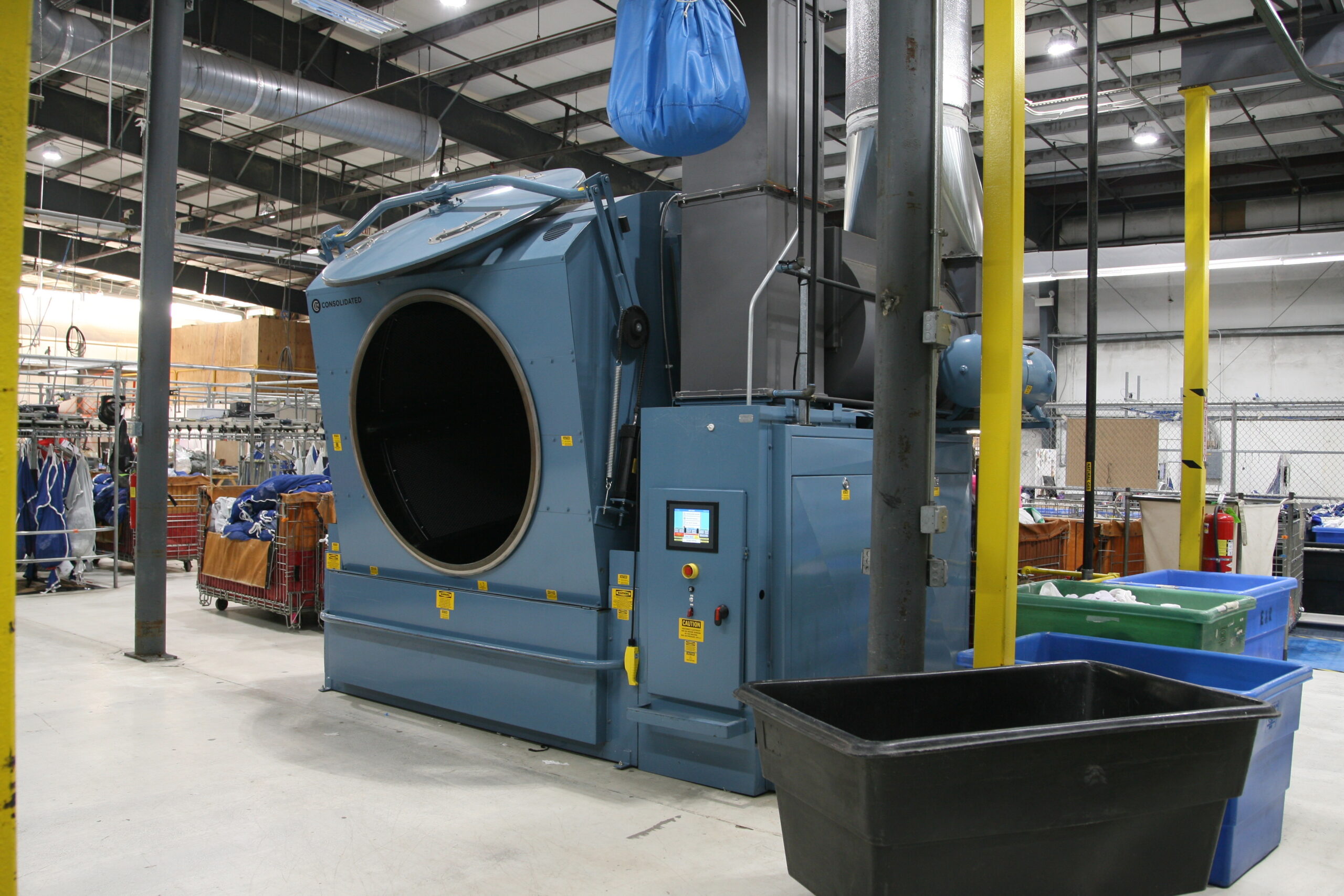
Every hotel laundry project eventually comes to the same question. How much equipment does this property actually need? The answer often begins with arithmetic. A hotel that knows its daily linen weight can choose the right hotel laundry machines.
This guide explains a hotel laundry capacity calculation that an operations team could walk through in a single meeting. It uses information the hotel already has on hand, plus two weeks’ worth of linen weights. The process shows how to size hotel laundry equipment needs before any discussion with a manufacturer. Consolidated Laundry Machinery (CLM), a US-based manufacturer of industrial dryers based in Pomona, California, produces equipment for hotels of all sizes.
People Also Ask
How many pounds of linen does a hotel room produce?
It varies by property type, bed setup, and amenities. Weighing soiled linen for two weeks gives each property a reliable figure of its own.
How do hotels calculate laundry capacity?
Multiply pounds per occupied room by peak occupied rooms and add non-room linen. Then divide by the daily processing hours.
Should dryer capacity match washer capacity?
Not exactly. Drying usually takes longer than washing, so dryer capacity often needs to exceed washer capacity.
Why Room Count Alone Tells Very Little
A limited-service property with one bed per room sends far less laundry than a resort with robes, pool towels, and banquet halls. Two hotels with 300 rooms can produce very different linen volumes.
Room count sets the scale, but it says nothing about what each room produces. Sizing from room count alone often leads to idle washers or backed-up dryers.
Step One: Establish Pounds Per Occupied Room
Pounds per occupied room (PPOR) is a key figure in all size planning calculations. To calculate it, weigh all dirty linen daily for at least 2 weeks. Then divide each day’s total weight by the number of occupied rooms that day. Average the 2 weeks to smooth out any inconsistencies.
What Drives the Figure Up or Down
Several factors raise or lower PPOR at any property:
- Number and size of beds in each room
- Towel count and towel weight
- Robes, bath mats, and duvet covers
- Linen change policy for stayover guests
- Guest mix, such as families versus business travelers
Limited Service Against Full Service and Resort
The main advantage of limited-service facilities is a lower room turnover rate (PPOR) because they provide less linen. Full service hotels and resorts offer guests additional towels, robes, and extra beds, resulting in a higher PPOR.
Each facility should calculate the ratio itself, as it can vary significantly by establishment.
Step Two: Apply Realistic Occupancy
The next step is to apply realistic occupancy. Multiply the number by the first number received (PPOR). Base the multiplier on historical data rather than projected occupancy. Analyze the past year’s figures for demand fluctuations by time of year and day of the week.
Step Three: Add Non-Room Linen
Guest rooms are only part of the load. Many hotels underestimate everything else.
- Restaurant and banquet napkins, tablecloths, and kitchen towels rise sharply during event seasons.
- Spa, pool, and fitness towels and robes can add significant volume at resorts.
- Staff uniforms belong in the total only if the hotel plans to process them in-house.
Weigh each stream separately over the same two-week period.
Step Four: Plan for the Peak Day, Not the Average
An average day is hiding your problem. Your equipment sized to an average will fall behind on busy weekends or large event days.
Look at the highest daily total you have had in the last year, and set the laundry up to handle that in an average workday.
Step Five: Decide the Processing Window
The processing window measures how many hours per day the laundry operates. Within an eight-hour shift, one shift would require twice the hourly capacity of two shifts handling the same workload. Longer processing windows reduce equipment needs, but they require more operator hours.
In this case, pounds per operator hour (PPOH) can be helpful. PPOH measures how many pounds the team handles per operator hour. It can help you understand how well the equipment and manpower mix works together and spot potential issues early.
Step Six: Convert Pounds per Hour Into Machine Capacity
Divide the peak day total by the processing window to get pounds per hour. Then convert that figure into load size using each machine’s cycle time.
\text{Required load size} = \text{Pounds per hour} \times \text{Cycle time in hours}
For dryers, cycle time should include loading, drying, cool down, and unloading. Set those times per fabric rather than running one long cycle for everything, which is among the drying habits that shorten hotel linen life. CLM rates its industrial dryers by recommended dry weight, from 250 to 1,200 lbs. Comparing the required load size against these ratings shows the hotel dryer capacity a property should target.
Why Washer and Dryer Capacity Should Not Simply Match
Matching washer and dryer pounds sounds logical, but it rarely works. Drying usually takes longer than washing, so dryers need extra capacity to keep pace. Washer extractor capacity and extraction speed matter too. Linen that leaves the washer wetter spends longer in the dryer. How hard the washer spins changes the dryer’s workload on every load, as our guide to washer extraction speed shows how much drying time a stronger spin saves. Plan both sides from the same linen data so neither machine waits on the other.
Building In Headroom for Growth and Breakdown
A laundry sized exactly to today’s peak has no margin. Build in headroom for growth, new outlets, or higher occupancy. Redundancy matters just as much. Two dryers sharing the load keep linen moving when one needs service. For example, the Ritz-Carlton, New Orleans, runs two CLM dryers.
Checking the Answer Against Space and Utilities
A calculation means little if the room cannot hold the equipment. Before finalizing, confirm floor space, delivery access, gas or steam supply, electrical service, and exhaust routes. CLM’s site lists industrial dryer weights between 7,000 and 10,000 lbs, so floor strength deserves a check as well. Room layout, utilities and finishing equipment all follow from these numbers. Our guide to setting up an on-premise hotel laundry covers the rest of the build.
A Worked Example for a Mid-Size Property
The figures below are illustrative inputs, not industry benchmarks. Each property should replace them with its own measurements.
| Input | Example value |
| Rooms | 400 |
| Peak occupancy | 95%, or 380 occupied rooms |
| Measured PPOR | 12 lbs |
| Guest room linen | 4,560 lbs |
| Non-room linen | 900 lbs |
| Peak day total | 5,460 lbs |
| Processing window | 16 hours across two shifts |
| Pounds per hour | About 341 lbs |
| Assumed dryer turn time | 45 minutes |
| Required dryer load size | About 256 lbs |
| Load size with 20% headroom | About 307 lbs |
In this example, one 250 lb dryer would run at its limit with no backup. Two 250 lb dryers cover the load with room to spare and keep drying going during service. The same math applies to washers, using their own cycle times.
A Reusable Sizing Worksheet
- Multiply measured PPOR by peak occupied rooms to get guest room linen.
- Add restaurant, banquet, spa, pool, fitness, and uniform linen for the peak day total.
- Divide the peak day total by processing hours to get pounds per hour.
- Multiply pounds per hour by dryer turn time in hours to get the required load size.
- Multiply the required load size by a headroom factor to set target dryer capacity.
- Repeat steps 4 and 5 for washers using washer cycle times.
- Confirm space, utilities, and floor strength before ordering.
Sizing Hotel Laundry Machines Starts With the Right Numbers
Capacity planning is a numbers exercise before it is an equipment decision. Measure PPOR, plan for the peak day, and convert pounds per hour into load sizes with real cycle times. Then add headroom and check the room before choosing any hotel laundry machines.
After installation, tracking cost per occupied room shows whether the laundry delivers what the numbers promised. To turn these figures into an equipment plan, share them with the CLM team for a dryer and finishing recommendation.
Frequently Asked Questions
What does PPOR stand for in the context of a hotel laundry?
What time frame should a hotel use to weigh its linen before purchasing new sizing equipment?
Does a hotel size to average days or to peaks?
What capacities are available for CLM industrial dryers?
Why would a hotel purchase two dryers instead of one?