How Modern Hotel Laundry Equipment Reduces Operational Costs and Improves Turnaround Time
- Gabriel Camacho
- April 29, 2026
- Laundry Machines
Guest satisfaction often depends on consistency behind the scenes. Clean linens must be available at all times, regardless of occupancy levels or seasonal demand. This constant requirement puts pressure on laundry operations to maintain both speed and reliability. Leading hotel laundry equipment suppliers focus on systems that support continuous performance while reducing operational strain.
Laundry operations in hospitality environments are complex and time-sensitive. Delays in processing can disrupt housekeeping schedules and impact room readiness. At the same time, inefficient systems increase energy, water, and labor costs. Modern laundry equipment addresses these challenges by improving workflow efficiency, reducing waste, and ensuring consistent output across high-volume operations.
People Also Ask
How does modern hotel laundry equipment improve turnaround time?
It reduces cycle times, improves workflow integration, and minimizes reprocessing, enabling faster, more consistent linen processing.
What are the cost benefits of upgrading hotel laundry equipment?
Modern systems reduce energy and water usage, lower labor costs, and improve efficiency, resulting in long-term operational savings.
Challenges of Traditional Laundry Systems in Hospitality
Traditional laundry systems often rely on outdated equipment and manual processes. These systems struggle to handle fluctuations in demand, especially during peak occupancy periods. Processing delays become more frequent, and output consistency declines.
Inefficient washing and drying cycles contribute to higher energy and water consumption. In addition, manual handling increases the likelihood of errors, such as inconsistent folding or incomplete drying. These issues lead to reprocessing, which further slows down operations and increases costs.
Another limitation is the lack of integration between different stages of the laundry process. Washing, drying, and finishing often operate independently, creating inefficiencies and delays. This fragmented approach makes it difficult to maintain a smooth and consistent workflow.
Advanced Automation in Modern Hotel Laundry Equipment
Modern laundry systems are built around automation and integration. Advanced controls allow equipment to operate with precision, reducing the need for manual intervention. This improves both efficiency and consistency.
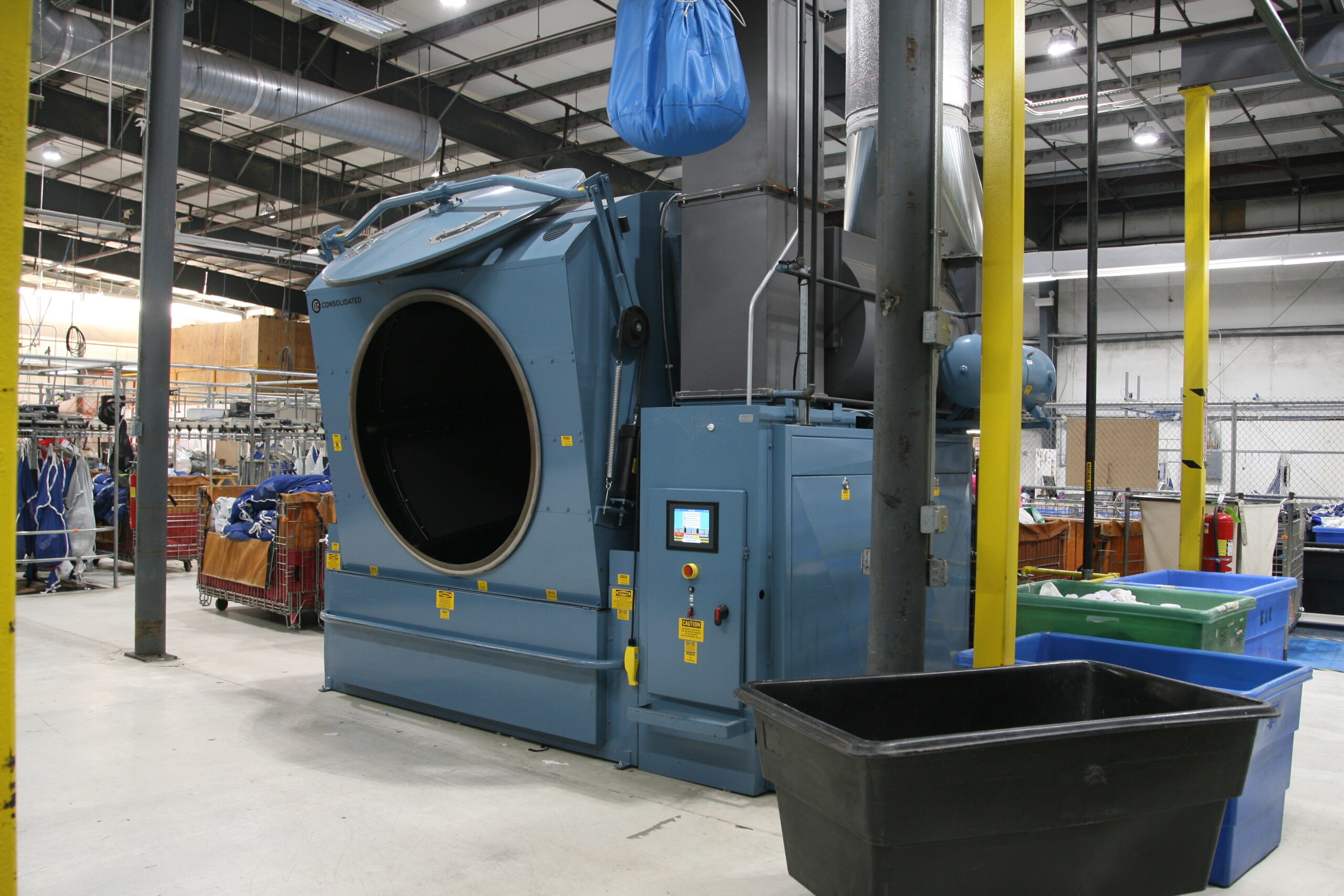
A modern hotel washer and dryer is designed to handle large volumes while maintaining stable performance. Automated settings regulate water usage, cycle time, and temperature to ensure optimal results. This reduces variability and improves overall system reliability.
Integration between machines ensures that materials move smoothly from one stage to the next. Conveyors and automated handling systems eliminate delays caused by manual transfer. This streamlined workflow supports higher throughput and reduces processing time.
Energy and Water Efficiency for Cost Reduction
Energy and water consumption are major contributors to operational costs in hotel laundry facilities. Modern systems are designed to optimize resource usage without compromising performance.
Advanced washing systems use precise water levels and controlled chemical dosing to reduce waste. This ensures effective cleaning while minimizing resource consumption. Drying systems are engineered to maximize heat efficiency, reducing energy use across cycles.
Lower consumption leads to measurable cost savings over time. Facilities that adopt efficient systems can significantly reduce utility expenses while maintaining consistent output. This balance between performance and efficiency is essential for long-term cost control.
Faster Processing and Improved Turnaround Time
Turnaround time is critical in hospitality operations. Linens must be processed quickly to support room availability and housekeeping schedules. Delays at any stage can disrupt the entire workflow.
Modern systems improve processing speed through optimized cycle times and better airflow management. Washing and drying processes are designed to handle larger loads efficiently, reducing the number of cycles required.
Consistent performance also reduces the need for reprocessing. When linens are correctly cleaned and dried the first time, they move through the system without delay. This improves overall turnaround time and supports reliable service delivery.
Labor Optimization and Workforce Efficiency
Labor is a significant factor in laundry operations. Traditional systems require a large workforce to manage manual tasks such as loading, unloading, and folding. This increases labor costs and introduces variability in performance.
Automation reduces dependency on manual labor by handling repetitive tasks. Staff can focus on monitoring operations and ensuring quality rather than performing physical handling. This improves productivity and reduces operational complexity.
Efficient systems also create a more stable work environment. Consistent processes reduce the impact of workforce fluctuations, allowing facilities to maintain steady output even during high-demand periods.
Consistency, Quality, and Linen Longevity
Maintaining linen quality is essential for guest satisfaction and cost control. Inconsistent processing can damage fabrics, leading to higher replacement costs.
Modern systems ensure controlled washing and drying conditions. This helps preserve the integrity of fabric and extends the lifespan of linens. Consistent results also improve presentation, ensuring that every item meets quality standards.
Reduced wear and tear on linens contributes to long-term savings. Facilities can maintain high-quality standards while lowering replacement expenses and improving overall cost efficiency.
Scalability and Long-Term Operational Benefits
Hotel operations often experience fluctuations in demand. Systems must be able to scale without compromising performance. Modern laundry equipment is designed to handle increased volumes efficiently.
Flexible configurations allow facilities to expand capacity as needed. This ensures that operations remain efficient during peak periods and can adapt to future growth. Scalability is a key factor in maintaining long-term operational success.
In addition, advanced systems provide better data and control. Facilities can monitor performance, identify inefficiencies, and make informed decisions to improve operations. This supports continuous improvement and long-term stability.
Investing in Modern Laundry Equipment for Sustainable Hotel Operations
Operational efficiency and cost control are closely linked in hospitality environments. Facilities that invest in modern systems gain better control over performance, resource usage, and workflow consistency.
Consolidated Laundry Machinery provides engineered solutions designed to support high-volume operations. By integrating advanced systems, hotels can improve turnaround time while reducing operational costs.
Request a consultation today to evaluate how hotel laundry equipment can support long-term efficiency and operational performance.