How Leading Industrial Laundry Providers Align with California Emission Standards
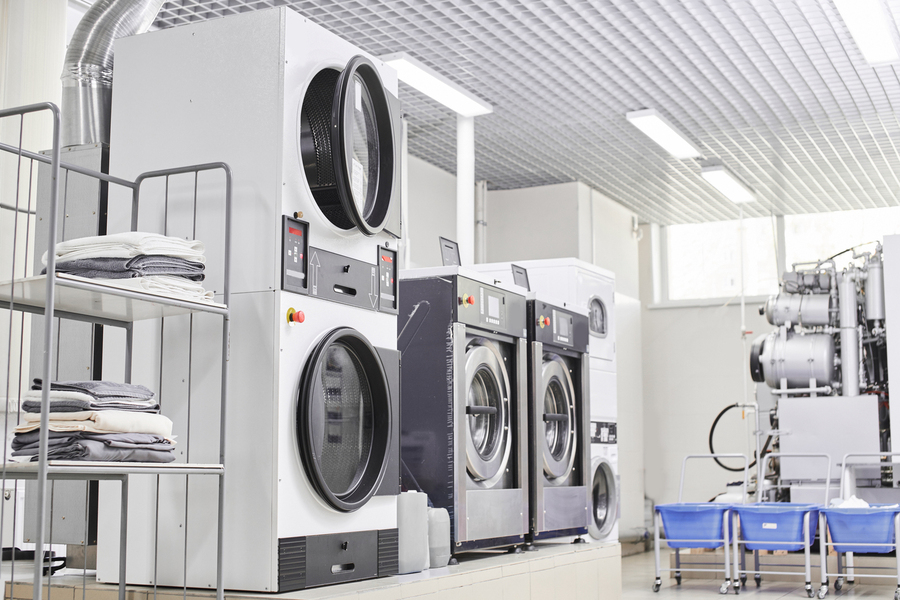
Strict environmental regulations in California have reshaped how industrial laundry operations approach performance and efficiency. Facilities are no longer evaluated only on output and turnaround time. Emissions, energy use, and environmental impact now play an equally important role in operational planning.
Leading operators understand that compliance is not just a regulatory requirement. It is a performance benchmark. The best industrial laundry providers that meet California emissions goals focus on system-level improvements that reduce emissions while maintaining consistent production output. This balance defines long-term operational success.
Why California Emission Standards Impact Industrial Laundry Operations
California maintains some of the most stringent air quality regulations in the United States. These standards directly affect how industrial laundry facilities design and operate their systems.
Drying systems, boilers, and heating components are major contributors to emissions. Facilities must ensure that these systems meet strict limits on pollutants such as nitrogen oxides (NOx). Non-compliance can lead to penalties, operational restrictions, and increased scrutiny.
As a result, emission standards influence equipment selection, system design, and daily operations.
Understanding Emission Sources in Industrial Laundry Facilities
Industrial laundry facilities generate emissions primarily through heat generation and fuel combustion. Drying systems require high levels of thermal energy, which contribute to overall emissions.
Boilers and burners used in drying processes are key sources of NOx emissions. Inefficient systems increase fuel consumption and release higher levels of pollutants. In addition, poor airflow management can lead to incomplete combustion, further impacting emissions.
Identifying these sources allows facilities to implement targeted solutions that reduce environmental impact without compromising performance.
High-Efficiency Equipment and Low-NOx Burner Technology
One of the most effective ways to meet emission standards is through high-efficiency equipment. Modern systems are designed to optimize fuel use while minimizing emissions.
Low-NOx burner technology plays a critical role in reducing pollutant output. These burners control combustion conditions to limit the formation of nitrogen oxides. When integrated into drying systems, they significantly improve environmental performance.
The best industrial laundry providers that meet California emissions goals prioritize equipment that combines efficiency with compliance. This ensures that facilities meet regulatory requirements while maintaining consistent throughput.
Energy Optimization and Emissions Monitoring Systems
Energy efficiency is closely tied to emissions control. Systems that use energy more effectively produce fewer emissions. This makes energy optimization a key component of compliance strategies.
Advanced monitoring systems track fuel usage, airflow, and temperature levels in real time. These systems help identify inefficiencies and allow operators to make adjustments that improve performance.
Consistent monitoring also supports regulatory compliance by providing accurate data on emissions output. This enables facilities to maintain control over both performance and environmental impact.
Sustainable Operational Practices Beyond Equipment
Compliance extends beyond equipment selection. Operational practices also play a significant role in reducing emissions. Efficient scheduling, proper maintenance, and optimized workflows contribute to overall system performance.
Regular maintenance ensures that equipment operates at peak efficiency. Clean systems with proper airflow and combustion conditions produce fewer emissions. In addition, staff training helps maintain consistent operational standards.
Sustainable practices create a foundation for long-term compliance while supporting efficient production.
The Business Advantage of Emission Compliance
Meeting emission standards provides more than regulatory benefits. It also creates a competitive advantage. Facilities that operate efficiently with lower emissions often experience reduced energy costs and improved system reliability.
Compliance also enhances reputation. Clients increasingly value environmentally responsible operations. The best industrial laundry providers that meet California emissions goals position themselves as reliable partners that meet both performance and sustainability expectations.
This alignment supports long-term growth and strengthens market position.
Compliance as a Strategic Investment in Industrial Performance
Emission compliance is not just a requirement—it is a strategic investment in operational efficiency and long-term stability. Facilities that integrate efficient equipment, advanced monitoring, and sustainable practices gain better control over both costs and performance.
Consolidated Laundry Machinery supports industrial operations with engineered solutions designed to align with efficiency and compliance requirements.
Request a consultation today to evaluate how system design can support emission goals and long-term operational success.